Your first Hyrox race isn't decided on race day, or by how hard you can push in your very first session. It's built through realistic progression. A Hyrox coach for beginners helps you build that foundation without overwhelming you with workouts that are too tough, conflicting advice, or a training plan copied from an experienced athlete.
Hyrox is appealing because the format is clear: run, work through functional stations, repeat. But that apparent simplicity requires managing endurance, strength, technique, and pacing. For a beginner, the right support is mostly about moving forward in the right order.
Why get coached before your first Hyrox?
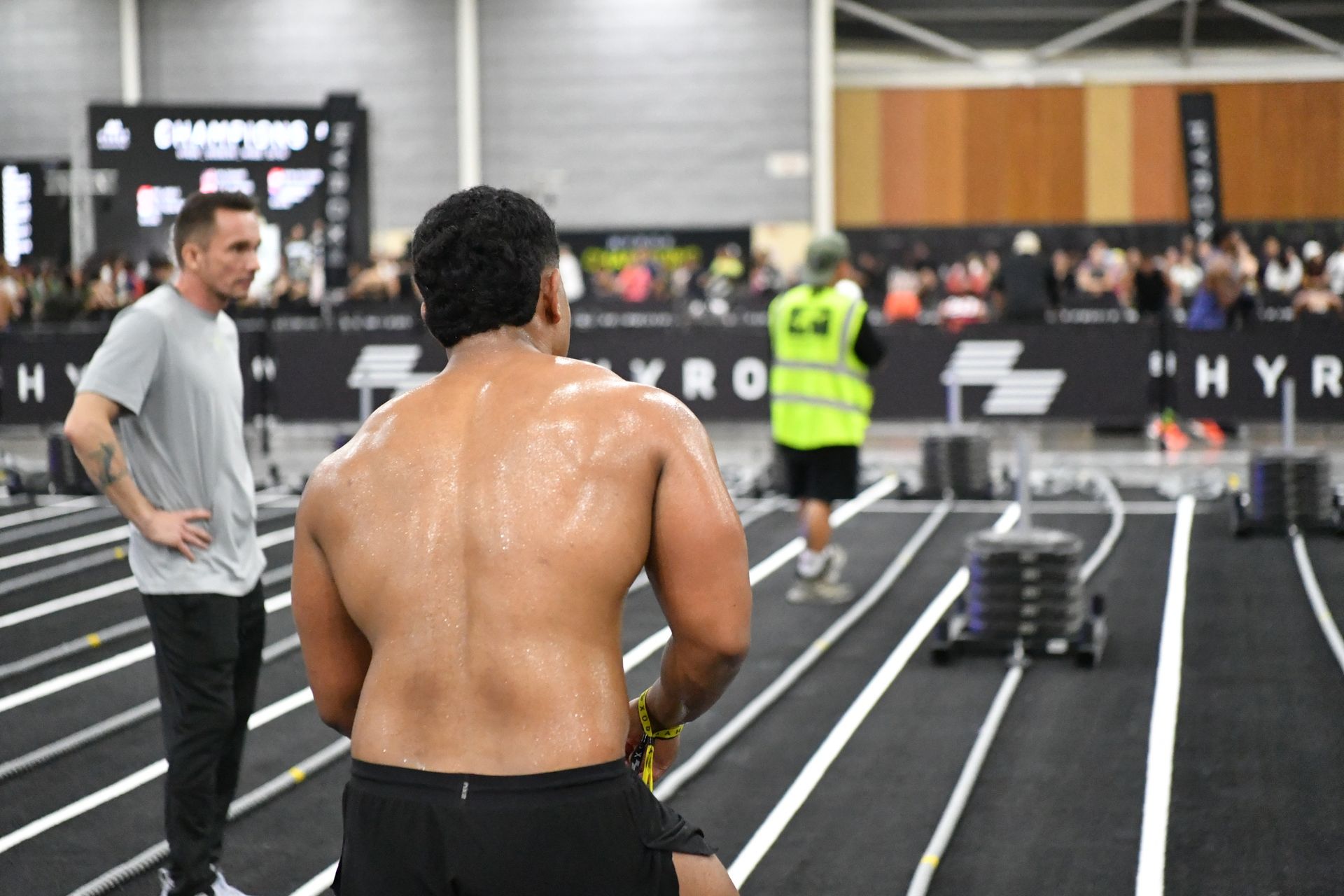
A Hyrox race alternates eight 1 km running segments with stations like the SkiErg, sled push, sled pull, burpee broad jumps, rowing machine, farmers carry, sandbag lunges, and wall balls. You don't need to be an expert in every movement from the start. What you do need is to understand how to learn them without getting injured or burning out.
The classic trap is wanting to immediately replicate a workout seen on social media: lots of reps, heavy loads, and very little recovery. That might be motivating once. It doesn't necessarily build a sustainable training plan. A coach adjusts the volume to your current level, your sports background, and the time you actually have each week.
They can also help you avoid a false start. If you're returning to sport after several years, dealing with persistent pain, run very little, or lack mobility, the priority won't necessarily be high-intensity wall balls. It might be regaining good squat mechanics, strengthening your core, or building a progressive running routine.
What a Hyrox coach for beginners should offer you
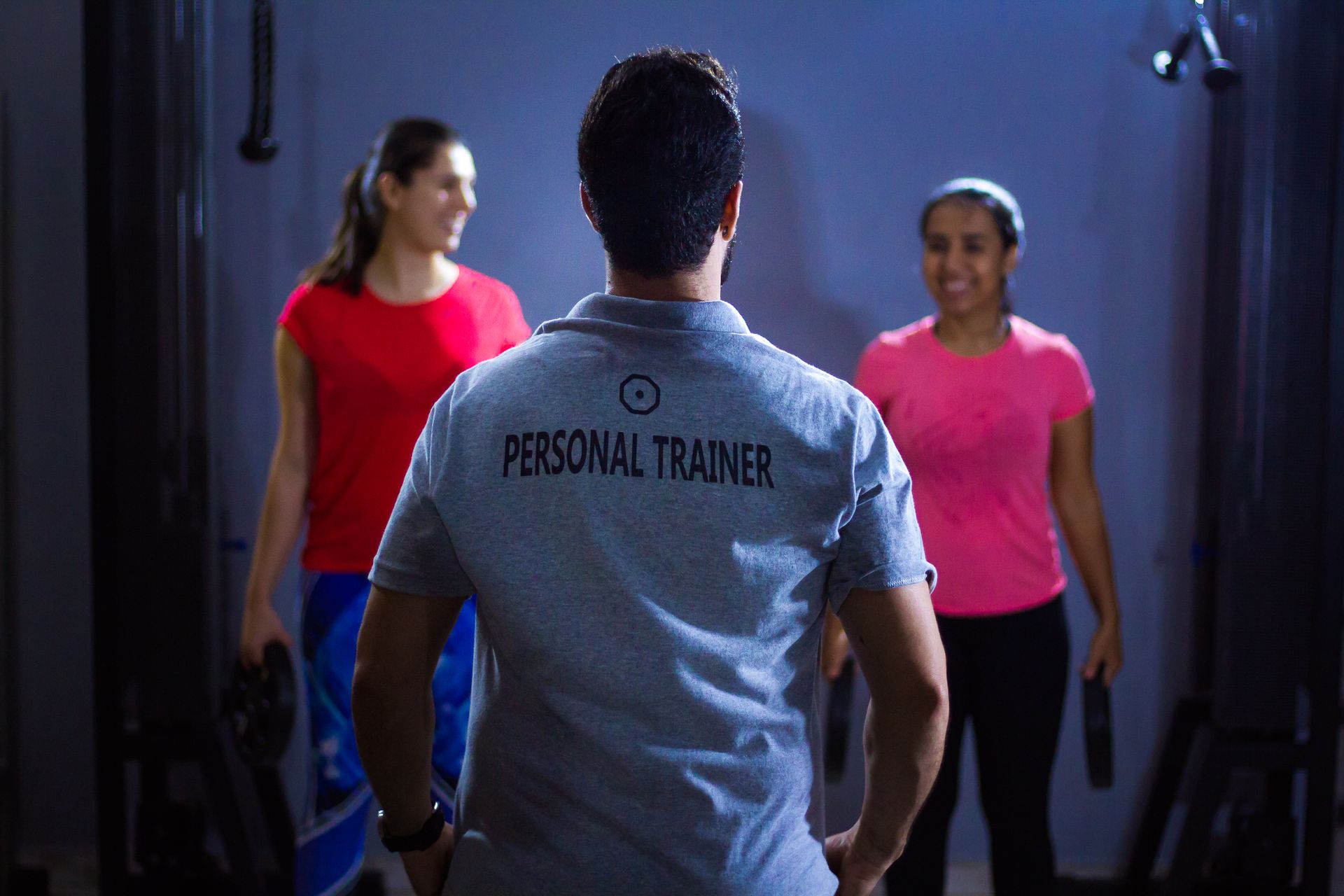
The word "Hyrox" alone doesn't define the quality of coaching. A good coach doesn't give every client the same program. They start by asking concrete questions: what's your current running level? Have you done strength training or functional fitness before? What event are you targeting? How many sessions can you realistically commit to without putting your daily life under pressure?
A simple but useful assessment
The first session doesn't need to be a maximal test. It's used to observe your technique, endurance, and recovery capacity. The coach might have you run at a controlled pace, test a few basic movements, and see how you handle effort.
This step allows for setting an honest starting point. You don't need to be "in shape" before contacting a coach. That's precisely their role: turning your current situation into an action plan.
A gradual technical build-up
Some Hyrox stations are demanding on the legs, back, or shoulders when performed incorrectly. The sled push, in particular, requires good torso positioning and an efficient push. Wall balls demand coordination, mobility, and controlled breathing. Burpee broad jumps require pacing management more than constant explosiveness.
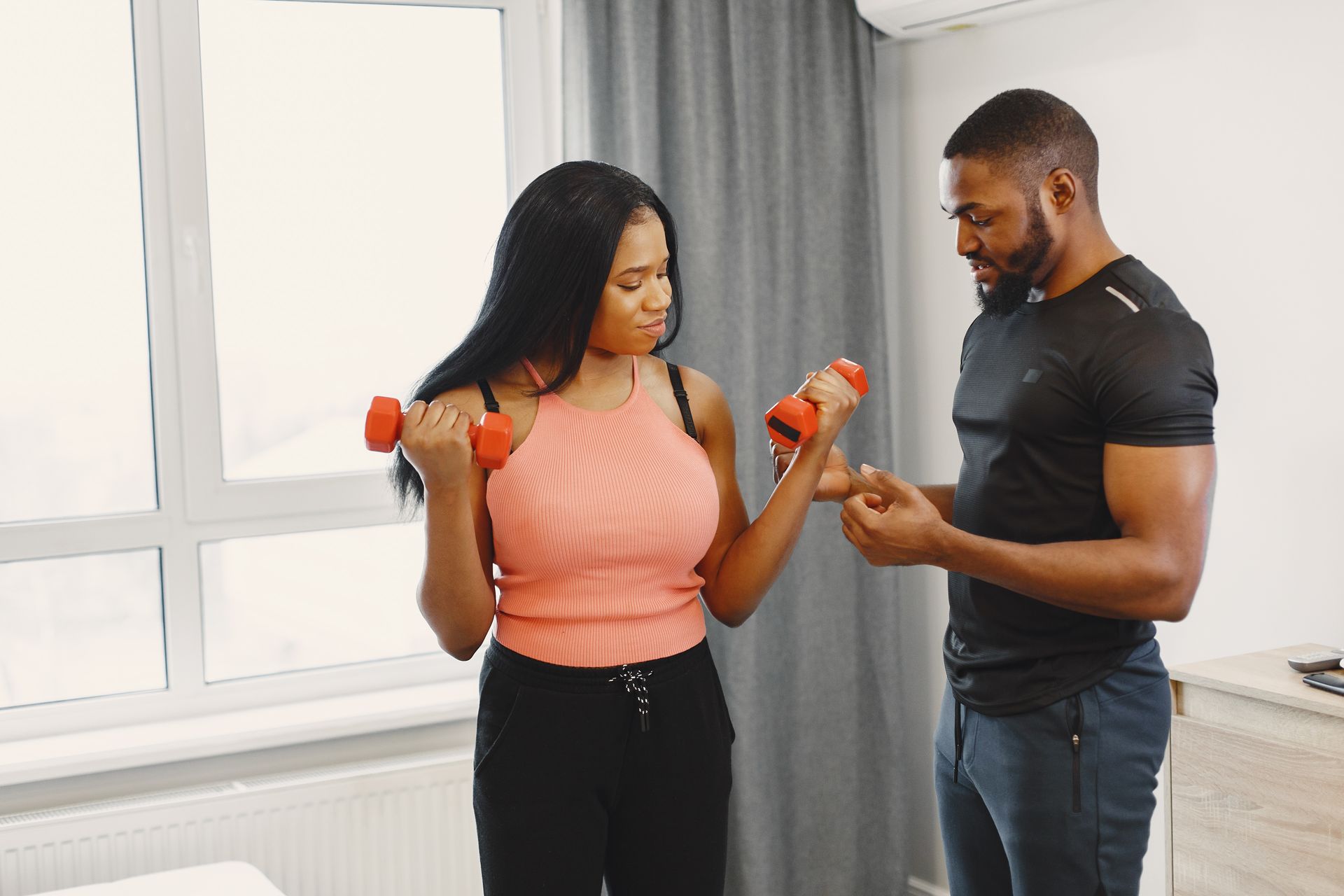
A skilled coach breaks down the movements, chooses suitable variations, and corrects what needs correcting. They can reduce the load, limit the distance, work without excessive fatigue, or temporarily replace an exercise if your body isn't ready. That's not stepping backward — it's preparing for progress that lasts.
A plan that respects your schedule
To start, two to three structured sessions per week can already produce real results. Depending on your profile, the program might combine a running session, a strength session, and a more Hyrox-specific session. If you already do team sports, CrossFit, strength training, or running, the coach factors in that existing load instead of adding random extra training.
The right plan is one you can stick with for several months. A preparation that looks perfect on paper but is impossible to maintain between work, kids, and unexpected events won't get you very far.
When should you start your preparation?
Ideally, plan for several months before your first race, especially if you're starting from a beginner level in running or strength training. That gives you time to build a cardiovascular base, learn the movements, and gradually increase the specificity of your sessions.
The exact timeline, however, depends on your starting point. Someone who already runs regularly and does strength training can prepare faster than someone who's fully sedentary. Conversely, targeting a near deadline shouldn't push you to skip steps. In that case, a coach can help you adjust the goal: taking part to experience the format, managing the race intelligently, and finishing in good shape rather than chasing an unrealistic time.
The duo format can also be a reassuring option for a first experience. It remains demanding, but allows you to share certain stations and go through the preparation together. The choice depends on your preference, your partner, and the rules of the event you're targeting.
How to choose your coach in Belgium?
Location matters. In-person coaching makes technical learning easier, especially for the sled, SkiErg, rowing machine, or wall balls. Look for a professional accessible from your home or workplace, in Brussels, Liège, Namur, Mons, Charleroi, or any other city where you can train regularly.
But location alone isn't enough. Also take the time to check their training, experience, and way of working. A qualified or certified coach should be able to explain their approach simply, without selling you a promise of quick results. Ask them how they adapt sessions for beginners, how they track recovery, and how they handle pain or a physical limitation.
A few points deserve your attention:
Does their profile mention recognized training and a verifiable professional activity?
Do they have experience in running, physical preparation, or functional fitness, relevant to the Hyrox format?
Do they offer a trial session or an initial conversation to clarify your goal?
Can they train you at an equipped location, or build a relevant preparation with the equipment available?
On Moovea, coach profiles are manually verified based on their recognized qualifications or certifications and their Belgian company registration number. You can search by city and goal, browse profiles, and then contact the coach who suits you directly. No mandatory subscription, no middleman to organize your sessions: you discuss your needs, availability, and practical details directly.
Signs of the right coaching
You make progress when sessions start to feel more controlled, not necessarily when they leave you exhausted after every effort. Over the weeks, you should be able to better control your running pace, recover faster between stations, and gain confidence in the technical movements.
A good coach also teaches you how to pace yourself. They explain when to push, when to ease off, and how to avoid starting too fast. In Hyrox, the ability to maintain a steady effort is often worth more than a spectacular start. This kind of pacing becomes especially useful on race day, when the atmosphere and adrenaline push you to exceed your usual rhythm.
Coaching should stay adaptable. If you're recovering well, the loads, distances, or combinations can increase. If fatigue builds up, the program should be adjusted. Progress isn't always linear, and that's normal.
Preparing for your first session without pressure
Before meeting your coach, simply note down your goal, the possible date of your race, your sporting habits, and any past pain or injuries. Also come with your real constraints: how many sessions are possible, your schedule, budget, and access to a gym or equipment. This information helps build something concrete right from the start.
Don't try to impress your coach during the first session. Instead, aim to be precise and honest. Saying that you don't enjoy running, have never touched a rowing machine, or are afraid of heavy loads gives the professional the right information to help you move forward.
Your first Hyrox doesn't require an athlete's profile. It requires a coherent preparation, consistency, and a framework that makes you want to come back for the next session. Start where you are, choose a coach you can easily talk to, and let the progress do the work.