
Are you looking for a muscle-building coach, but you don't want to follow a copy-and-paste program or spend weeks comparing uncertain profiles? That's a legitimate expectation. Building muscle requires consistency, but also training adapted to your level, availability, history, and actual goal. Gaining five kilos, achieving a more toned physique, or increasing the weights you lift don't require exactly the same approach.
A good coach helps you keep things simple where we often tend to overcomplicate them: knowing what to train, how to progress, and when to recover. They don't replace your efforts. They give them direction.
Why get support when building muscle?
Building muscle isn't about training to exhaustion every session. Muscle develops when several elements work together: sufficient stimulus, consistent progression, nutrition that supports your goal, and proper recovery. If one of these elements is neglected, progress often slows down.
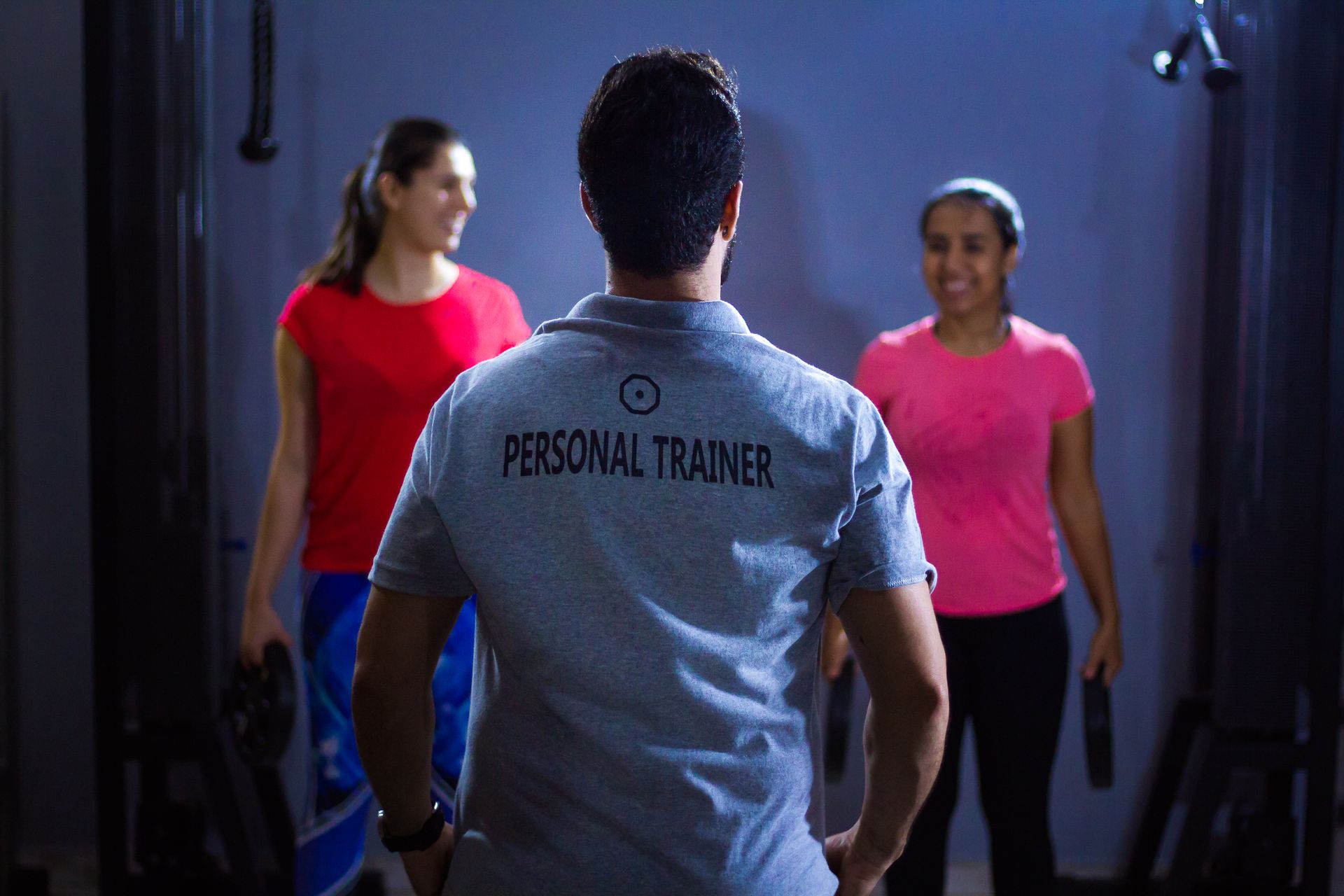
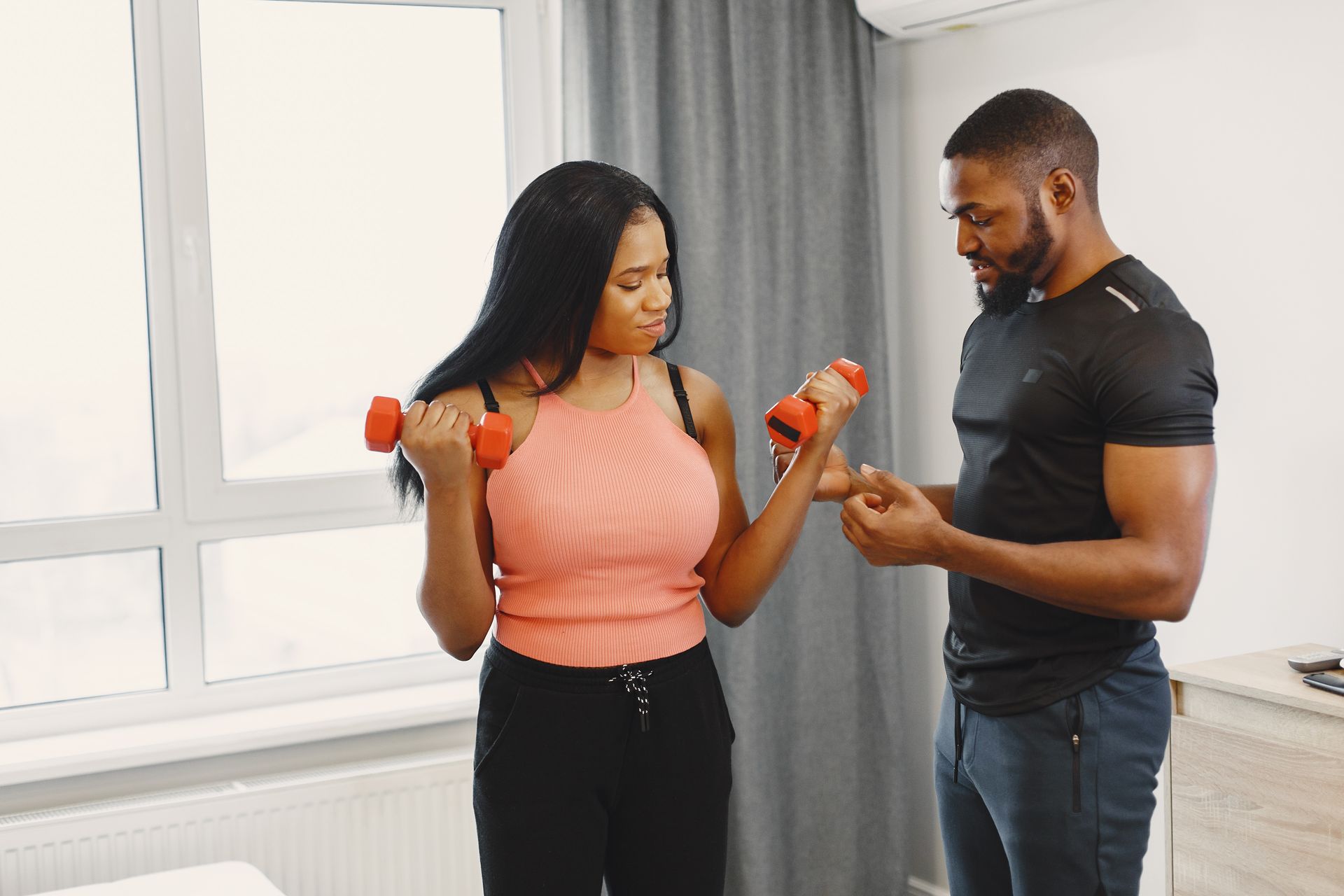
On your own, it's easy to repeat the same exercises, increase the weight too quickly, or, on the contrary, never step outside your comfort zone. Many people change their program every week because they doubt themselves, when in reality a plan needs time to produce results. A personal trainer provides that outside perspective: they observe your technique, adjust the weights, and help you track measurable progress.
Coaching can also be useful if you're getting back into training after a long break, if you have recurring discomfort, or if you lack confidence in the gym. The goal isn't to make you perform spectacular movements. It's to build a solid foundation without unnecessary complications.
What a muscle-building coach should adapt
Two people with the same goal on paper may need completely different programs. Your experience, sleep, work, access to equipment, and the number of sessions you can realistically commit to matter just as much as your motivation on day one.
Your level and sporting background
A beginner can make progress with just a few exercises, provided they learn them correctly and practice them consistently. An experienced trainee may sometimes need training volume to be distributed more effectively, targeted variations, or more precise work on specific weaknesses.
A serious coach therefore starts by asking practical questions: What sports have you practiced? Have you ever had any injuries? How many sessions can you realistically fit into your week? Do you train at home, outdoors, or in a gym? These answers help avoid creating an unrealistic program.
Your goal, beyond the number on the scale
Gaining weight can be relevant for some people, but it isn't always the right goal. If you mainly want to feel stronger, firmer, or more comfortable in your clothes, body recomposition may sometimes be more appropriate for your situation.
A coach should be able to distinguish between these goals and explain the trade-offs. Gaining weight quickly can make muscle gain easier for some people, but it will often also involve gaining body fat. Conversely, progressing more slowly may be more comfortable and sustainable. There isn't one single right method, only a method suited to your priority.
Your lifestyle constraints
A five-session-per-week program is of little use if you can only maintain it for two weeks. With two or three well-structured sessions, potentially supplemented by independent workouts, you can already make significant progress. The right plan is the one you can repeat consistently.
Your coach can also take variable schedules, business travel, or a busy family life into account. This flexibility doesn't mean giving up on your goal. It makes that goal sustainable over several months.
How to recognize the right muscle-building coach
The first criterion is qualification. In Belgium, a professional coach should be able to demonstrate a background consistent with their activity, whether through a degree or recognized certifications. This doesn't guarantee that they'll be the right person for you, but it's an essential starting point.
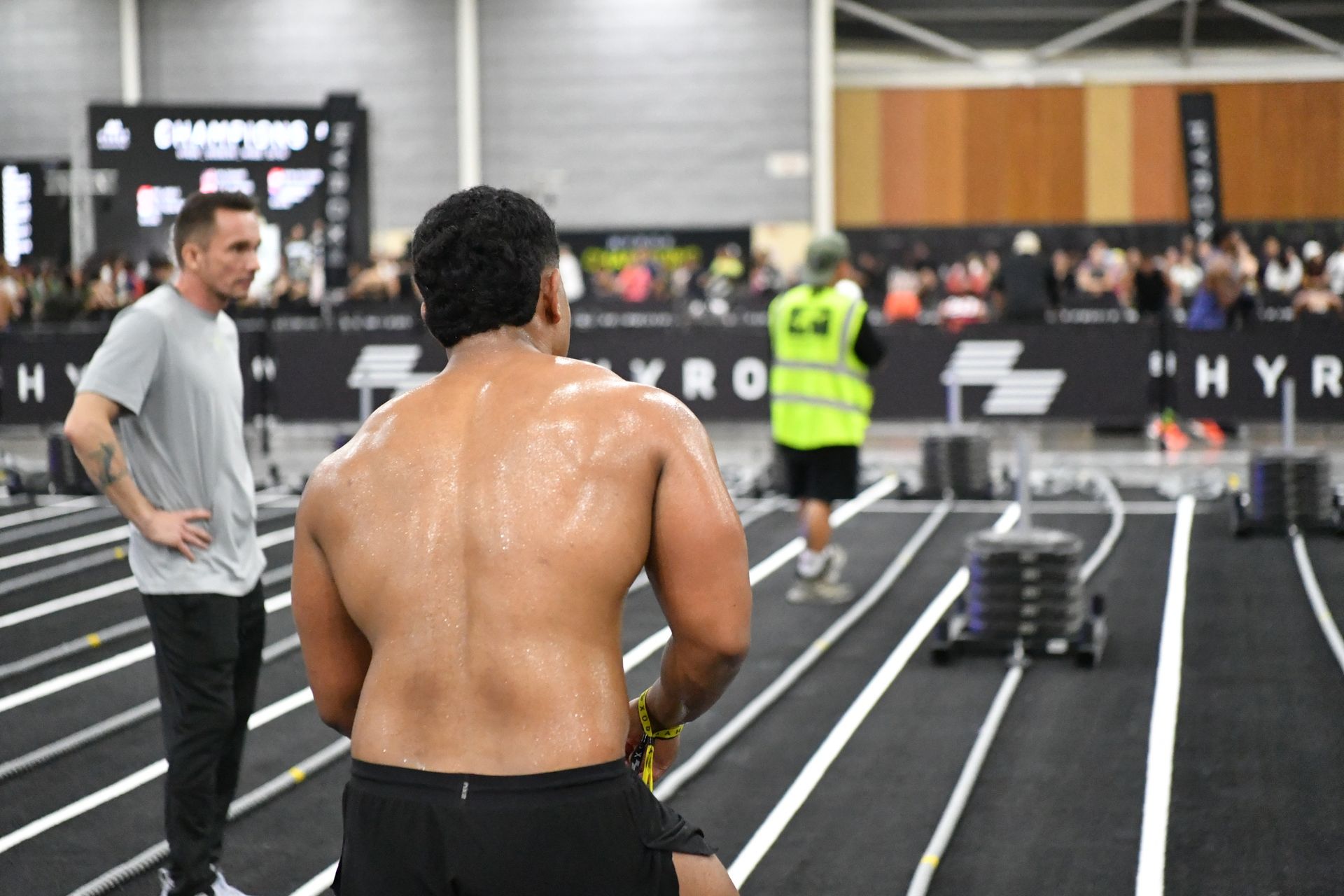
Next, look at their specialization and approach. Some coaches mainly work with beginners, while others specialize in experienced weightlifters, strength & conditioning, or disciplines such as CrossFit, HYROX, or combat sports. A profile specialized in your needs can make communication more effective from the start.
Finally, prioritize clear communication. Before committing, you should be able to understand how the coach works: initial assessment, session frequency, location, type of follow-up, equipment required, and pricing. Promises of rapid transformations should be approached with caution. A reliable professional talks about progress, technique, and consistency, not guaranteed results in just a few weeks.
Find a coach near you in three steps
The location of your sessions has a direct impact on your consistency. If you have to cross the entire city after a busy day, training may end up taking a back seat. Start by looking for a coach available in your neighborhood, municipality, or near your workplace.
1. Filter by city and goal
Start with your location, then select muscle building or strength training depending on the available category. Whether you live in Brussels, Namur, Liège, Mons, Charleroi, Antwerp, Ghent, or Leuven, the idea is to quickly narrow your search down to relevant and accessible professionals.
2. Review profiles carefully
A useful profile is more than just a photo. Check the listed degrees and certifications, areas of expertise, experience, service area, and the type of clients they work with. Also check whether sessions are offered in a gym, at home, outdoors, or in a private space.
On Moovea, independent coach profiles are manually verified, particularly regarding recognized qualifications or certifications and their Belgian BCE company number. This allows you to focus on what matters to you: proximity, expertise, and personal connection.
3. Contact the coach directly
A first message is enough to clear up the main questions. Explain your goal, current level, how many sessions you're considering, and your availability. Ask how the first meeting works and whether the coach has experience working with people with a similar profile to yours.
Direct contact allows you to discuss the arrangements without a mandatory subscription or an intermediary determining the relationship for you. You are free to decide whether the approach suits you before arranging a first session.
What does effective coaching look like?
The first session is generally used to assess where you stand. The coach evaluates your level, observes certain movements, and clarifies your expectations. They may assess your mobility, core control, technique on basic exercises, or tolerance to effort. This assessment isn't an exam you have to pass. Its purpose is to avoid making the wrong assumptions.
The following sessions often focus on a few well-mastered movement patterns: pushing, pulling, squatting, hip hinging, unilateral work, and core training. Depending on your goal and equipment, your coach may incorporate dumbbells, barbells, machines, resistance bands, or bodyweight exercises. Variety can have its place, but it shouldn't prevent you from tracking your progress.
Over the weeks, your coach may adjust the weights, number of repetitions, rest periods, or training volume. Some people benefit from a weekly session. Others prefer a supervised session every two weeks, combined with a program they can follow independently. It depends on your experience, budget, and ability to stay consistent on your own.
Nutrition, recovery, and realistic expectations
A personal trainer can help you bring more structure to your habits: eating enough, organizing meals around your training sessions, and avoiding the mistake of compensating for a demanding program with insufficient recovery. For therapeutic nutritional support or a specific medical situation, consulting a healthcare professional or registered dietitian remains appropriate.
Sleep matters too. You can have the best program in the world, but consistently getting too little sleep, dealing with stress, and doing improvised workouts will limit your ability to recover. A good coach won't expect you to be perfect. Instead, they'll look for adjustments that can have a real impact on your daily life.
Your next workout doesn't need to be spectacular. It needs to be appropriate, well-guided, and simple enough for you to come back the following week. That's often where muscle building really begins.