
Do you want to get back into exercise without feeling lost in a crowded gym, train for a 10K, ease a stiff back, or regain energy after childbirth? A sports coach in Belgium can help you turn that intention into a realistic plan. But it's essential to choose someone qualified, available, and suited to your goal — not just the first profile you come across on social media.
A good coach won't put you through a standard workout. They take into account your current fitness level, your schedule constraints, your injury history, and what you actually want to do. Location matters too: a coach in Brussels, Namur, Liège, Mons, Charleroi, Antwerp, Ghent, or Leuven can make it easier to stay consistent, especially when weeks get busy.
Why choose a sports coach in Belgium?
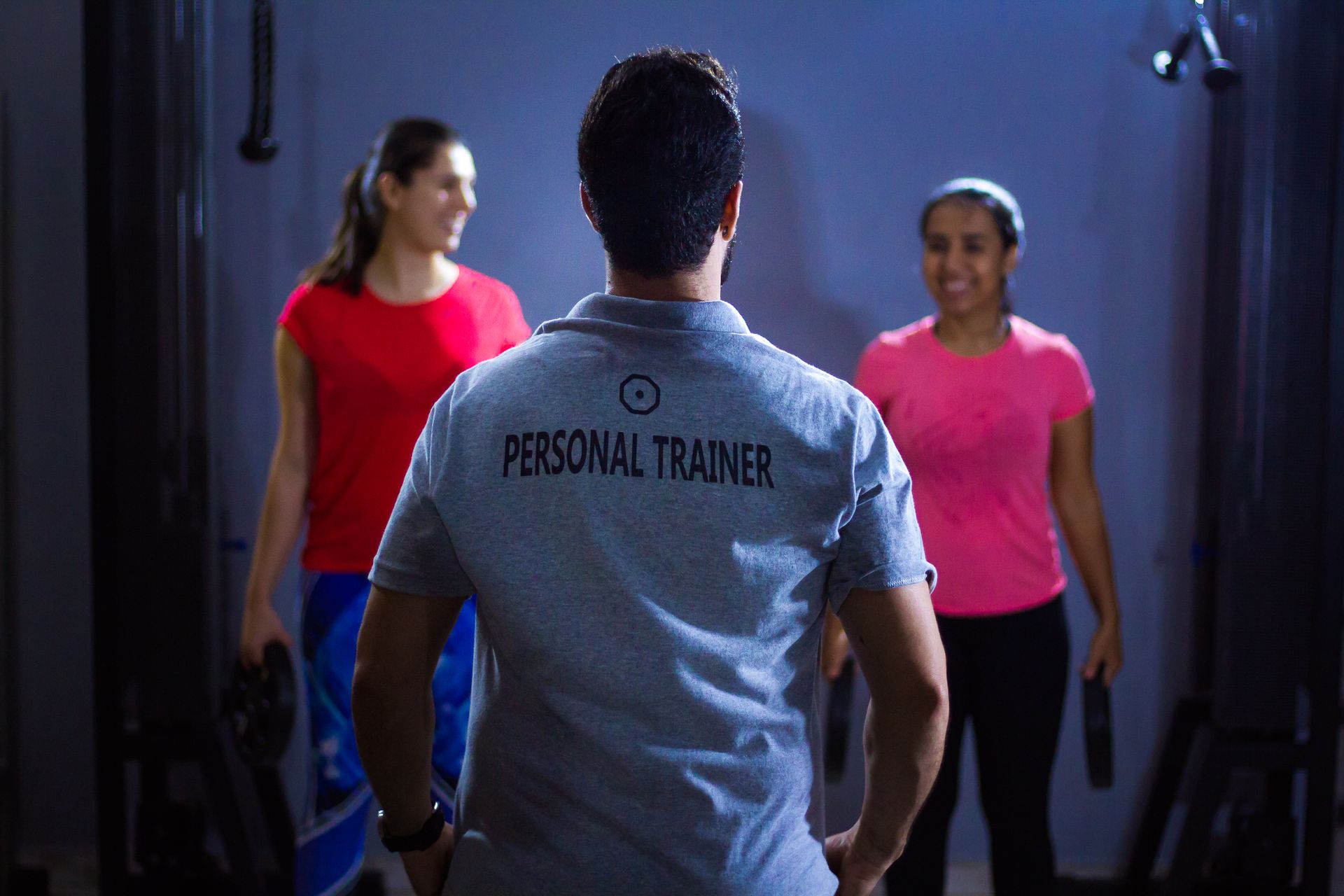
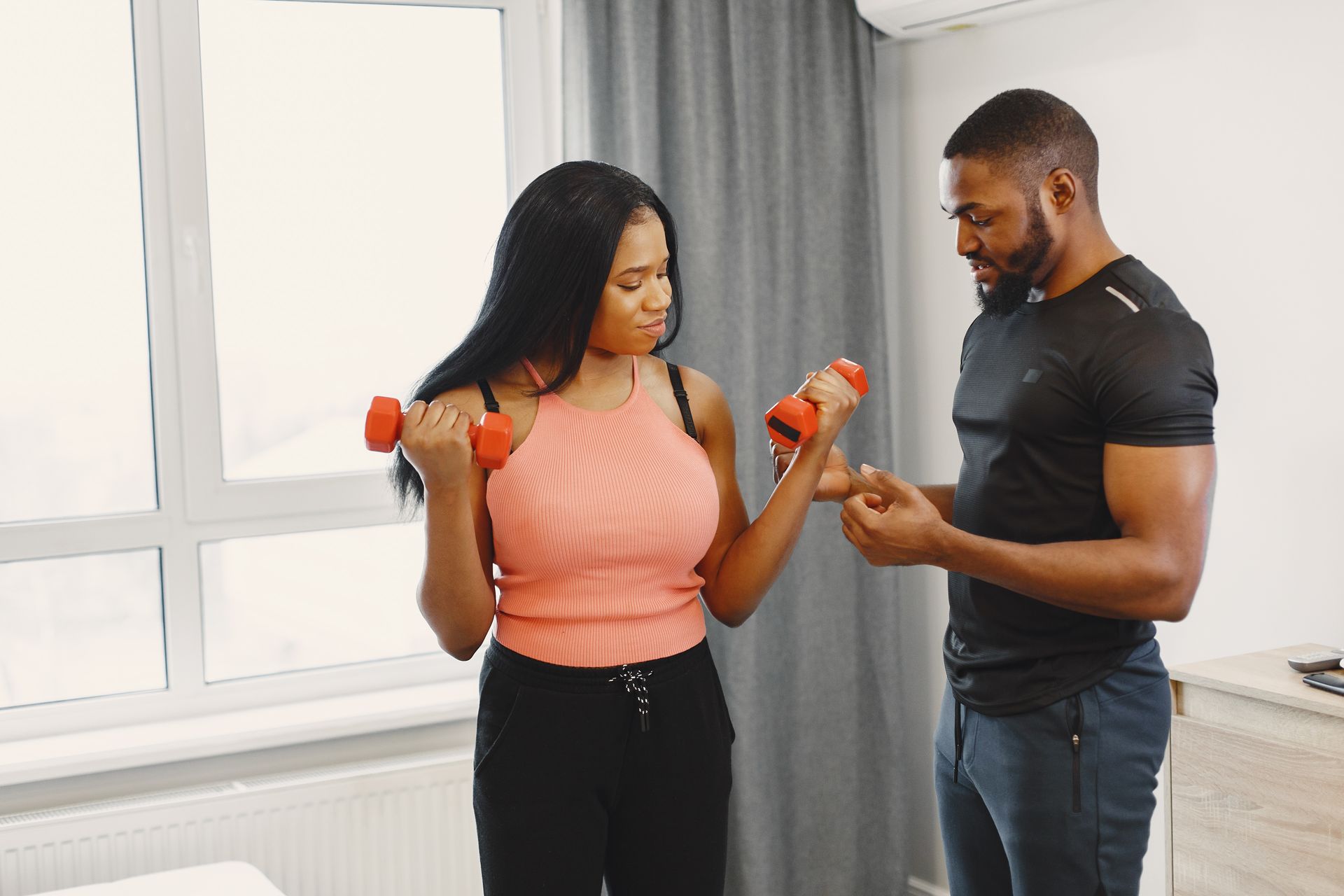
One-on-one support offers something a video or a generic app can't always provide: an outside perspective, precise corrections, and adjustments as sessions progress. Your coach watches your posture, adjusts the load, modulates the intensity, and helps you avoid skipping steps. This is especially useful when restarting after a long break, dealing with recurring pain, or working toward a technical goal like boxing, running, or Pilates.
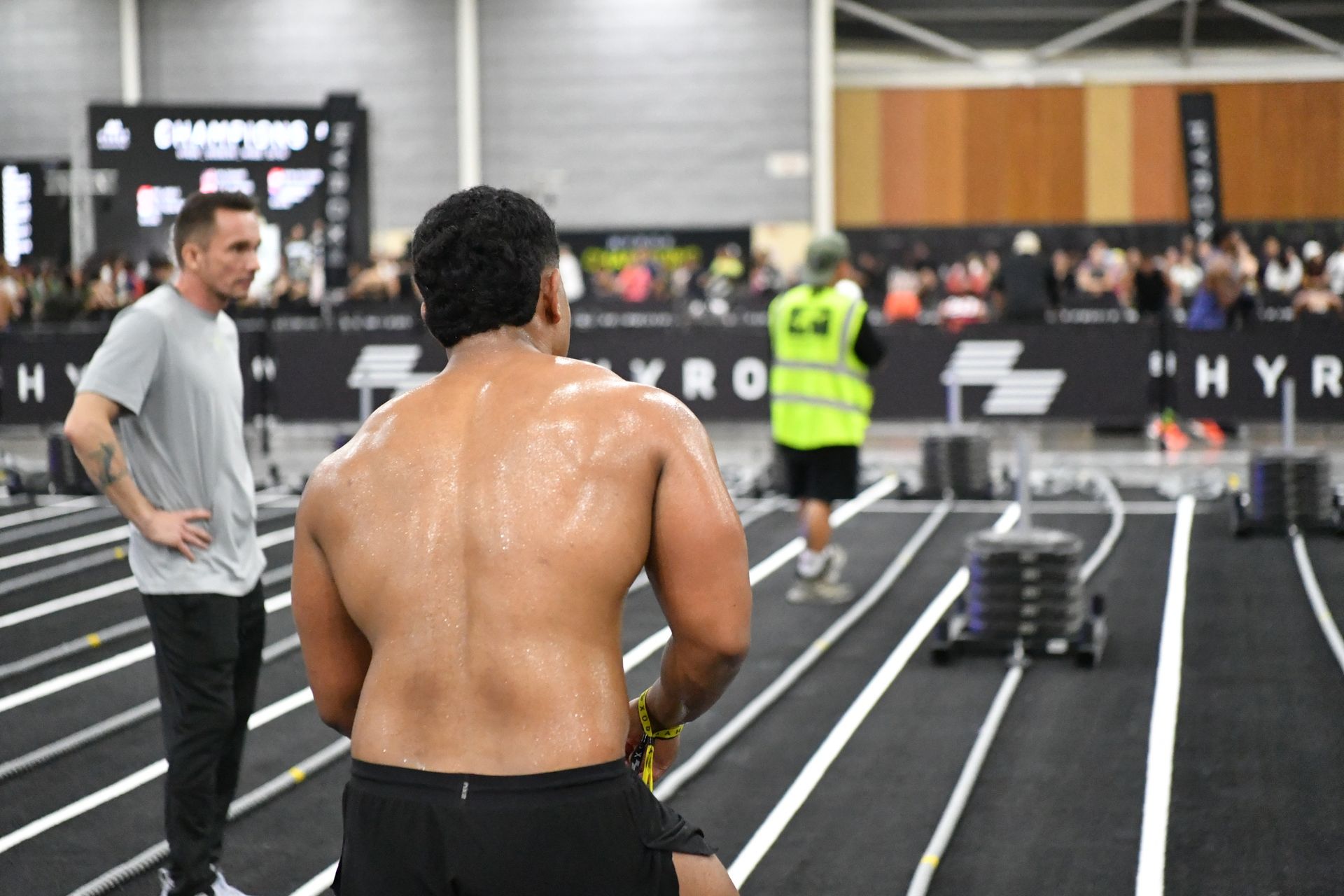
Coaching isn't only for people who already train regularly. Someone who hasn't moved much in years doesn't need a spectacular program — they need a reassuring, gradual framework that fits their life. An experienced athlete, on the other hand, might be looking for a specialist in Hyrox, physical preparation, CrossFit, or endurance training, able to structure a more demanding progression.
The format depends on your situation. At home, outdoors, in a gym, at your workplace, or remotely — each option has its advantages. In-home coaching cuts down on travel, while gym training gives access to more equipment. A small-group format can also be more motivating and sometimes more affordable. There's no single best format — only the one you can stick with consistently.
Finding a sports coach in Belgium in three steps
The search can stay simple if you start with the two criteria that really matter: your goal and your location. Instead of comparing dozens of vague posts, go straight to the profiles most likely to match your needs.
- Define a concrete goal, without putting pressure on yourself
"Get back in shape" is a fine starting point, but a bit more detail helps your coach guide you better. Do you want to climb stairs without getting winded, lose weight gradually, build muscle, improve mobility, or train for a race? Do you need postpartum support, senior coaching, or nutritional advice alongside your training?
You don't need to arrive with a perfectly worked-out plan. What matters is knowing what you expect from the first few weeks, to avoid misunderstandings. For example: two sessions a week, a preference for training outdoors, a knee issue to flag, or wanting to train after work. This kind of information is more useful than a promise of quick transformation.
- Check the coach's credentials before reaching out
The sports coaching profession covers very different realities. A polished profile, workout photos, or a large following don't replace proper training or relevant experience. Take the time to look at qualifications, certifications, specialties, and the methods offered.
In Belgium, an independent coach should also be able to operate within a clear professional framework. Checking for a Belgian company registration number and recognized qualifications is a concrete reference point. It won't tell you whether you'll click as people, but it does reduce the risk of dealing with a less transparent profile.
Here's what to look at before a first conversation:
the coach's specialty and how well it matches your goal;
their experience with clients in situations similar to yours;
where sessions take place and the area they cover;
their availability, rates, and cancellation policy;
how they approach injuries, recovery, and progression.
A serious coach won't offer a medical diagnosis or promise guaranteed results within a few weeks. If there's persistent pain, a medical condition, or a return to exercise after surgery, they should know how to work in line with recommendations from your doctor, physiotherapist, or other healthcare professional.
- Reach out directly to check the fit and the logistics
The first message often makes the difference. Simply explain your goal, your city, your available time slots, and any limitations. You can ask how the initial assessment works, whether equipment is provided, and what a typical session looks like. A clear answer, free of unnecessary jargon, already tells you a lot about the quality of the coaching.
Use this exchange to talk about budget too. Rates vary depending on the city, session length, travel, the coach's experience, equipment, and the specialty requested. A highly specialized coach or an in-home session with travel involved isn't directly comparable to an outdoor group class. Ask what's included in the price and whether a different frequency is possible. A well-attended weekly session can be more valuable than an ambitious package you abandon after three weeks.
The questions that prevent unpleasant surprises
Before you start, look less for the perfect program and more for the right working relationship. Your coach should listen to you, explain their choices, and help you progress without making you feel bad about yourself. High standards have their place, but they should match your level and how you're feeling on any given day.
Ask how progress will be tracked. Depending on your goal, this could mean weight lifted, running times, range of motion, everyday energy levels, or simply consistency. The scale isn't the only valid indicator, especially for body recomposition, general fitness, or the postpartum period.
Also ask the coach how they adapt the program. What happens if you miss a week, if pain shows up, or if your schedule changes? Good coaching doesn't fall apart at the first hiccup — it adjusts, with common sense.
Finally, be wary of approaches built purely on guilt or rigid rules. You don't need to "earn" your workout. You need a method you can sustain over time, with consistent effort and enough recovery.
A simple search, with no mandatory subscription
Finding the right professional shouldn't require signing up for an app, buying a session package, or going through a middleman for every question. On Moovea, you search for a coach based on your city and your goal, browse profiles of verified independent professionals, and then get in touch directly with the person who's right for you.
That freedom benefits both sides. You can compare approaches, ask your questions, and schedule your sessions at your own pace. The coach, in turn, can respond to you directly and offer support tailored to their specialty. Three steps, zero hassle: search, choose, contact.
Your next workout doesn't have to start with an unrealistic promise. It can start with an honest conversation with a professional who understands your goal, respects where you're starting from, and makes you want to come back for the next session.